
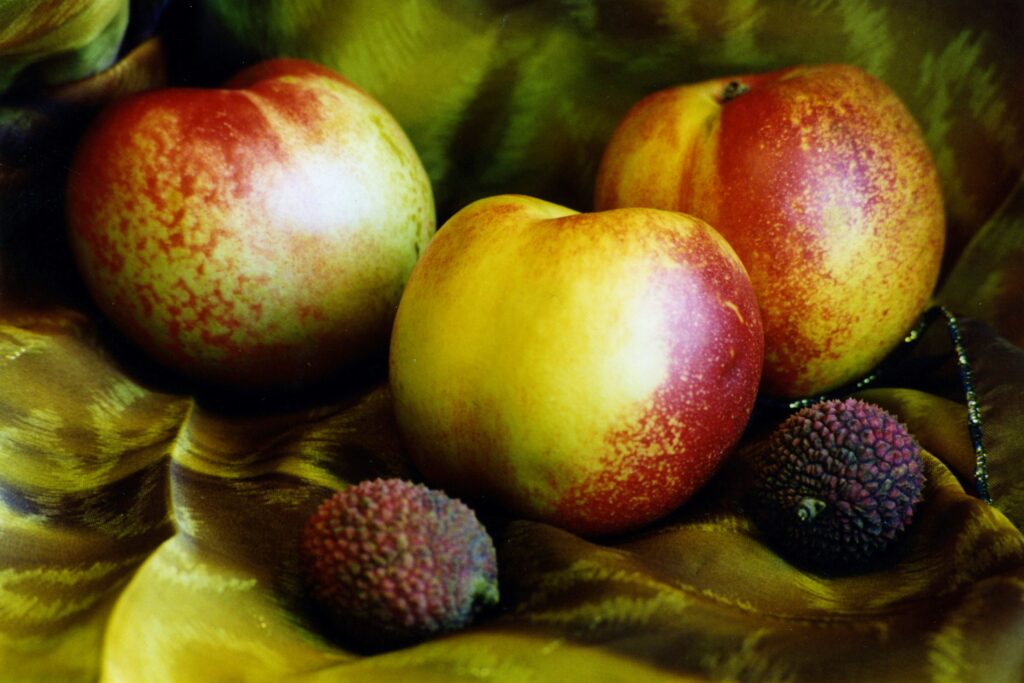
The scientific name of nectarine is Prunus persica. Nectarine is a variant of peach. Nectarine is domesticated mainly in China. China ranked the highest in peach and nectarine production. Nectarines are grown throughout the warmer regions of both the Northern and Southern hemispheres.
Color: The flesh of nectarine varies in color from yellow to white. The color is light yellow and cream to a reddish yellow.
Shape: Nectarines are the same shape as peaches. The nectarine has a smooth skin.
Size: The average diameter of a nectarine is 2.25 to 2.75 inches.
Flavor: Nectarines have a tangy-sweet flavor. They are juicy fruits. Nectarines are a smooth-skinned variety of peaches.
Nutrients
100 grams of nectarines contain the following beneficial nutrient profile
- Calories 44
- Total fat 0.3 g
- Protein 1.1 g
- Vitamin C 9% of the daily value
- Total carbohydrate 11 g
- Sugar 8 g
- Dietary fiber 1.7 g
- Magnesium 2% of the daily value
| How to grow nectarines? |
Health Benefits of Nectarines
Materials are low in fat and calories. They are a soft-skinned variety of peach rich in minerals, antioxidants, fibers, and vitamins. They boost weight loss, support iron absorption, and enhance skin health. Nectarines are a healthy addition to the diet.
Prevents anemia
]Iron-rich foods may help to prevent anemia, a condition that lack of hemoglobin, or red blood cells. Red blood cells carry oxygen through your body. Vitamin C supports iron intake by converting this mineral into a more easily absorbable form in your body.
Reduce the risk of cancer
Phenolic compounds in nectarines may lower the risk of cancer. Research about nectarine is associated with a decreased risk of lung disease. Peach extract helps to inhibit the proliferation of breast cancer cells.
Improve skin health
Nectarines help to support skin health due to the presence of copper content. Copper stimulates the growth of cells in the dermis layer. Niacin, a vitamin B3, is present in nectarines, may protect skin cells from injury caused by the sun’s rays. A small amount of Vitamin A is also beneficial for skin health.
Rich in antioxidants
Antioxidants help to reduce the oxidative stress caused by the imbalance of free radicals, the unstable molecules. Oxidative stress causes many diseases like Alzheimer’s and heart disease, and diabetes. Flavonoids and antioxidants present in the nectarines contribute to the appearance, aroma, and taste of the fruit. Flavonoids help to prevent age-related declines in brain function.
Aids weight loss
Nectarines aid in weight loss in several ways. They are a good source of fiber, supporting the feeling of fullness. This fruit is low in calories and fat. Eating plenty of fruit law in calorie fruits helps support weight loss.
Side Effects of Nectarines
Ripe nectarines are fragrant and give slightly when gently squeezed. Avoid those that are bruised or wrinkled. The bacteria in your gut may be fermented by the presence of fructans, which cause the symptoms in those with irritable bowel syndrome.
FAQ’s
Are nectarines a superfood?
While nectarines aren’t officially classified as a “superfood,” they offer numerous health benefits and are rich in nutrients, making them a valuable addition to a healthy diet. They are a good source of vitamin C, vitamin A, fiber, and antioxidants. These nutrients contribute to immune support, vision health, skin health, and cardiovascular health.
Which is healthier, a nectarine or a peach?
Nectarines are slightly more nutritious than peaches, but both fruits offer similar health benefits. Nectarines have more vitamin A and potassium, while peaches have slightly more vitamin C. Both are good sources of vitamins C and A, fiber, and antioxidants.