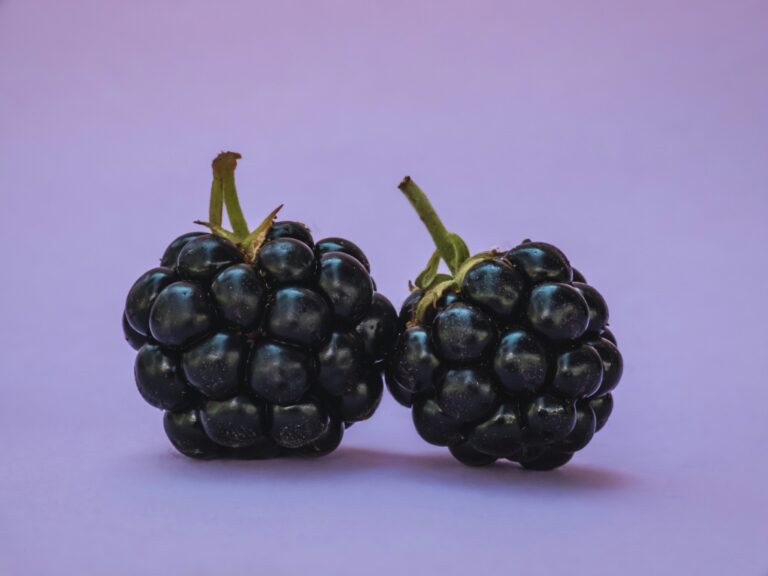

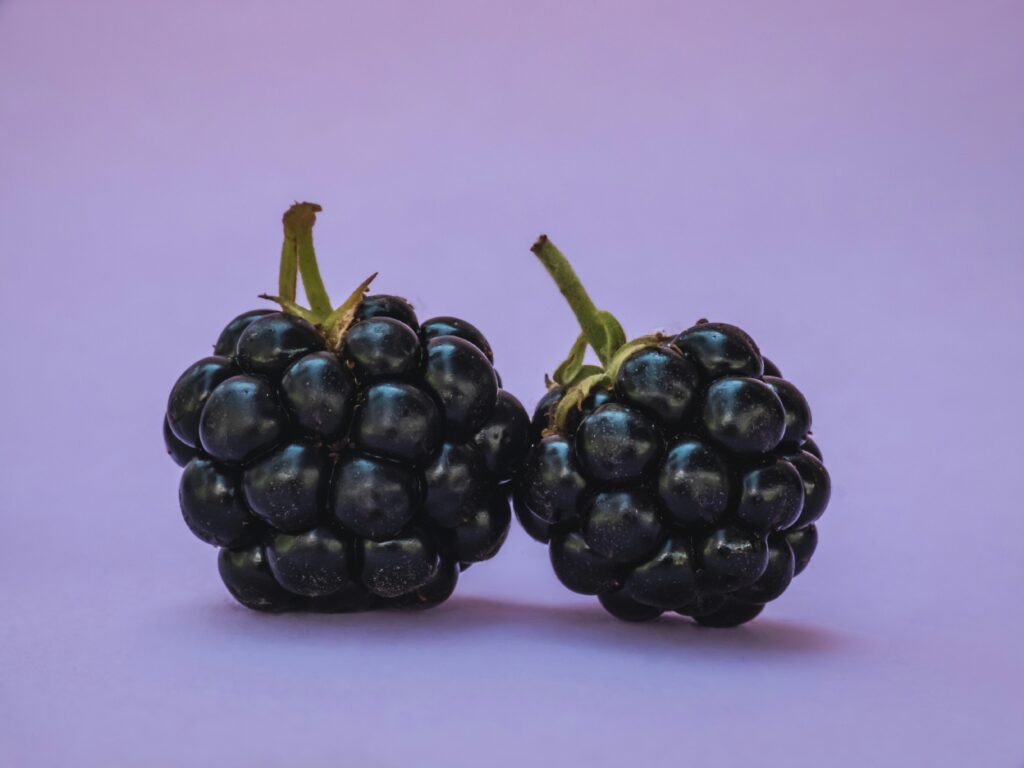
The scientific name of the Blackberry is Rubus fruticosus. Blackberry is used as an herbal medicine. Rubus belongs to the family Rosaceae. The other name for blackberry in other countries is caneberry. The term caneberry is used for both raspberries and blackberries. Blackberries are native to many continents, like North and South America, Europe, and Asia. Wild blackberries are very common and can be found throughout the UK.
Color: Black berries vary in color from purple to black. A ripe blackberry is deep black with a plum.
Shape: Black berries are conical in shape. Their stem are erect or semi-erect.
Size: The size of black berries varies and depends on the variety. These are up to 5 cm long means about 2 inches.
Flavor: Blackberries are juicy with a tart flavor. Unripe berries can be sour or bitter.
Nutrients
Blackberries offer many health benefits. They are full of minerals and vitamins that are high in fiber and boost brain health. One hundred grams of blueberries contain the following beneficial nutrients profile:
- Calories 43
- Total fat 0.5 g
- Sugar 4.9 g
- Vitamin C 35% of the daily value
- Potassium 162 mg
- Total carbohydrate 10 g
- Iron 3% of the daily value
- Sodium 1 mg
- Dietary fiber 5 g
- Protein 1.4 g
- Calcium 2% of the daily value
- Magnesium 5% of the daily value
| How to grow blackberries? |
Health Benefits of Blackberries
Blackberries are high in fiber and folate content, which powerfully counteract homocysteine levels and high cholesterol levels. Blackberries are low in calories and help fight cancer and prevent heart disease.
High in fiber
A low fiber content in the diet may be linked to digestive problems like bloating, stomach pain, and constipation. Not getting enough fiber in the diet may increase the risk of heart disease. Blackberries are rich in fiber helps to reduce cholesterol, manage blood sugar levels by showing the rate of sugar absorption, provide fuel to nourish healthy gut bacteria, and promote regular bowel movements.
Support oral health
Blackberry extract has antibacterial and anti-inflammatory properties against some types of bacteria present in the mouth. It may help prevent and control gum disease and cavities.
Boosts brain health
Blackberries may improve brain health and help prevent memory loss caused by aging. They also help reduce brain inflammation, which leads to cognitive and motor issues common with aging.
Packed with vitamin C
Vitamin C present in blackberries helps to reduce free radicals, absorb iron, regenerate the skin, prevent scurvy, and heal wounds. Vitamin C also helps to reduce the formation of cancer-causing substances and the body. Vitamin C acts as an antioxidant that aids in reducing the oxidative stress in the body, which is the main cause of cancer.
Side Effects of Blackberries
Blackberries contain a high amount of fiber that is beneficial for digestive health, but can cause problems when consumed in excess or large amounts. Blackberries are good for health, but taking them in amounts greater than the normal may lead to serious complications like
- Diarrhea
- Constipation
- Blotting
FAQ’s
What part of the body are berries good for?
Berries offer a wide range of benefits for various parts of the body, including the heart, brain, and skin. They are particularly known for their antioxidant and anti-inflammatory properties, which can support overall health.
Do blackberries clean your colon?
Yes, blackberries can help cleanse the colon due to their high fiber content. Fiber, particularly insoluble fiber, helps regulate bowel movements by adding bulk to stool and promoting its movement through the intestines, which can prevent constipation and contribute to overall colon health.